


1The Challenge of Daily Dressing
For many elderly individuals, dressing independently is one of the first daily activities to become difficult. Reduced joint flexibility, weakened grip strength, and balance limitations can turn a simple task into a frustrating ordeal. Traditional clothing — with buttons, zippers, and rigid waistbands — often requires fine motor skills that diminish with age, forcing older adults to rely on caregivers even for the most private routines.
This dependency, however practical, can significantly impact self-esteem and overall wellbeing. Research consistently shows that maintaining personal autonomy is closely tied to mental health and quality of life in older populations.
Studies indicate that loss of dressing independence is one of the earliest markers of functional decline in elderly adults, making adaptive clothing solutions critically important.
2What Are Pull-up Pants?
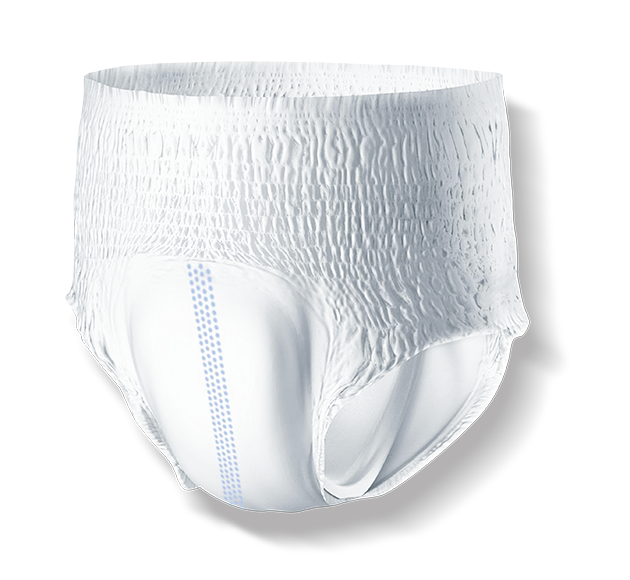
Pull-up pants are a category of adaptive clothing designed to be pulled on and off with minimal effort. Unlike conventional trousers, they feature elastic or wide-band waistbands, soft stretchy fabrics, and side-opening or tear-away designs that accommodate limited mobility. They are available in incontinence-friendly variants as well as everyday casual and formal styles.
Key Design Features
Most pull-up pants for elderly users incorporate seamless inner linings to prevent skin irritation, full-elastic waistbands that eliminate fastenings, and lightweight breathable materials such as jersey cotton or bamboo blends. Many designs also feature side seam openings secured with discreet velcro or magnetic closures, allowing the pants to be put on from a seated or lying position.
3Boosting Physical Independence
The most immediate benefit of pull-up pants is the reduction in physical effort required for dressing. Because no buttons or zippers need to be manipulated, users with arthritis, Parkinson's disease, or post-stroke weakness can often dress themselves entirely without assistance. This single change can transform a person's morning routine from a caregiver-dependent process into a private, self-managed activity.
For those who use wheelchairs or have limited standing balance, side-opening pull-up designs are particularly valuable. They can be applied while seated, eliminating the need to stand or transfer — a moment that carries significant fall risk for many elderly users.
Occupational therapists frequently recommend adaptive pull-up garments as part of rehabilitation plans for patients recovering from hip replacement, stroke, or lower limb surgery.
4Psychological and Emotional Benefits
Independence in personal care has profound psychological effects. Elderly individuals who can dress themselves report higher levels of dignity, self-worth, and perceived control over their lives. The ability to choose when and how to dress — without waiting for a caregiver — preserves a sense of agency that is foundational to mental wellbeing.
Reducing Caregiver Burden
Beyond the individual, pull-up pants benefit family caregivers and professional staff as well. Dressing assistance is one of the most time-consuming and physically demanding caregiving tasks. Adaptive clothing can significantly reduce the time and effort involved, allowing caregivers to redirect their attention to higher-priority care needs and reducing the risk of caregiver burnout.
5Choosing the Right Pull-up Pants
Selecting appropriate pull-up pants involves several considerations. Fit is paramount — pants that are too loose may slip, while overly tight waistbands can restrict circulation. Fabric choice should account for skin sensitivity, incontinence needs, and climate. For outdoor or social settings, style matters too; many brands now offer pull-up designs that are indistinguishable from conventional trousers, preserving the user's sense of normalcy and confidence.
Healthcare providers, occupational therapists, and specialist adaptive clothing retailers can offer personalised guidance. As awareness of adaptive fashion grows, the market continues to expand with more stylish, functional, and affordable options — making independence accessible to a broader range of elderly users than ever before.
When in doubt, consult an occupational therapist who can assess individual mobility levels and recommend the most suitable garment type and fit for long-term comfort and independence.


