


After more than a decade working in the development of absorbent hygiene products, one thing has become very clear to me: urinary incontinence management does not have to be bulky, uncomfortable, or embarrassing. For millions of people worldwide, urinary incontinence pads offer a simple, discreet, and effective solution—when the right product is chosen.
This article is written for beginners who want to understand how incontinence pads work, why designs differ for men and women, and how underpads play an important supporting role in complete protection.
Urinary Incontinence Pads Explained
Urinary incontinence pads are absorbent products specifically engineered to manage urine leakage, usually mild to moderate in volume. Although they may resemble sanitary napkins, the similarity is mostly visual. From a technical standpoint, they are completely different products.
Urine is released quickly and in larger bursts than menstrual fluid. That is why incontinence pads are designed with fast-absorbing cores, efficient liquid distribution layers, and advanced odor-control systems. In my early R&D years, one of the biggest challenges was balancing rapid absorption with thinness—users want protection, but they don’t want bulk.
Most urinary incontinence pads are worn inside regular underwear, making them an excellent choice for people who:
• want discreet daily protection,
• do not need full adult diapers,
• wish to stay active, confident, and mobile.
In short, these pads are not a compromise—they are a purpose-built solution for everyday urinary leakage.
Designed for Male Anatomy and Daily Use
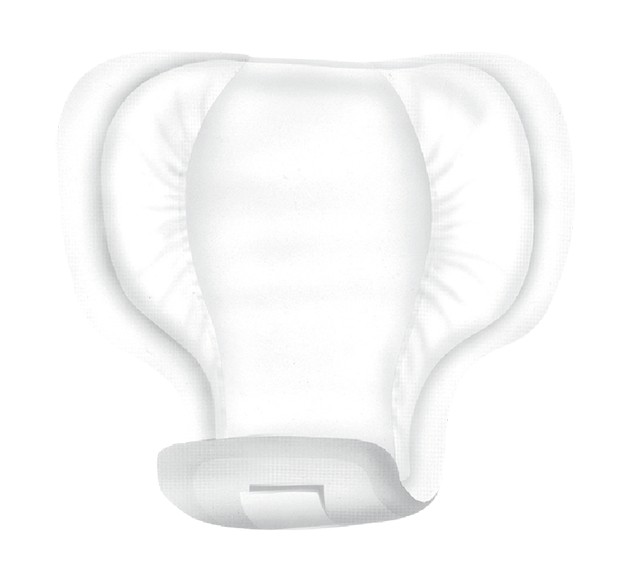
Incontinence pads for men are often misunderstood, even by first-time buyers. From a design perspective, male urinary leakage follows a front-focused flow pattern, which means absorbency placement is critical.
Men’s incontinence pads typically feature:
• Front-positioned absorbent zones to capture urine immediately,
• A shape that fits securely within men’s underwear,
• Structures that reduce shifting during walking or sitting.
From my experience developing men’s pads, a key design priority is stability. If a pad moves even slightly, leakage risk increases dramatically. That’s why modern pads use contoured shapes and breathable backing materials to stay in place without feeling restrictive.
These products are commonly used by men after prostate surgery, older adults with light incontinence, or anyone who wants protection without switching to adult diapers. When designed properly, men’s incontinence pads feel natural and unobtrusive—something users truly appreciate.
Comfort, Fit, and Discreet Protection
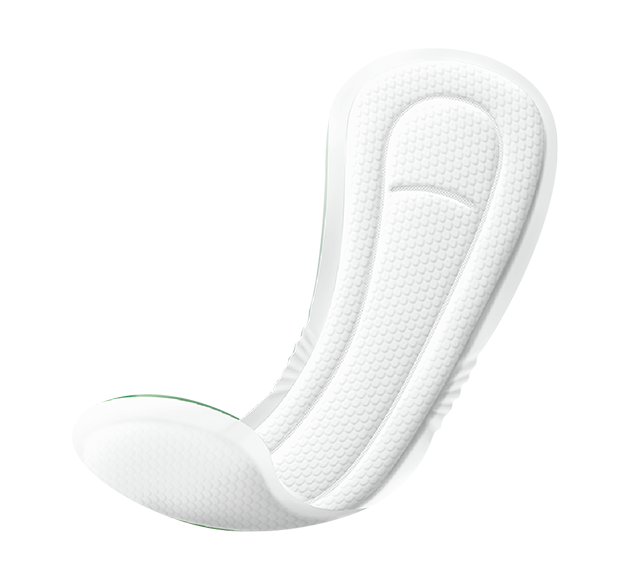
Incontinence pads for women are shaped by very different anatomical and lifestyle needs. Female urinary leakage is typically more central and evenly distributed, so absorbent cores are designed accordingly.
Women’s incontinence pads focus heavily on:
• Body-conforming shapes for comfort,
• Soft, skin-friendly top layers to reduce irritation,
• Slim profiles that remain invisible under clothing.
As a developer, I’ve seen firsthand how important discretion is for female users. A pad may absorb well, but if it feels bulky or visible, it simply won’t be worn. That’s why modern designs prioritize thinness without sacrificing performance.
These pads are widely used for stress incontinence, post-pregnancy leakage, and age-related bladder changes. When the fit is right, women can go about their daily routines—work, travel, exercise—without constantly worrying about accidents.
Men’s and Women’s are Not the Same
One of the most common mistakes new users make is assuming that one incontinence pad fits everyone. From an R&D standpoint, this is simply not true.
Men’s and women’s incontinence pads differ in:
• absorbent core placement,
• pad shape and length,
• fit within different underwear styles.
Using the wrong type often leads to leakage, discomfort, and frustration. I’ve tested countless prototypes over the years, and even small design differences can dramatically affect performance. Gender-specific designs exist for a reason: they follow real human anatomy and real usage patterns.
Understanding this difference is one of the fastest ways for beginners to improve comfort and protection without increasing absorbency levels.
Bed and Furniture Protection that Matters
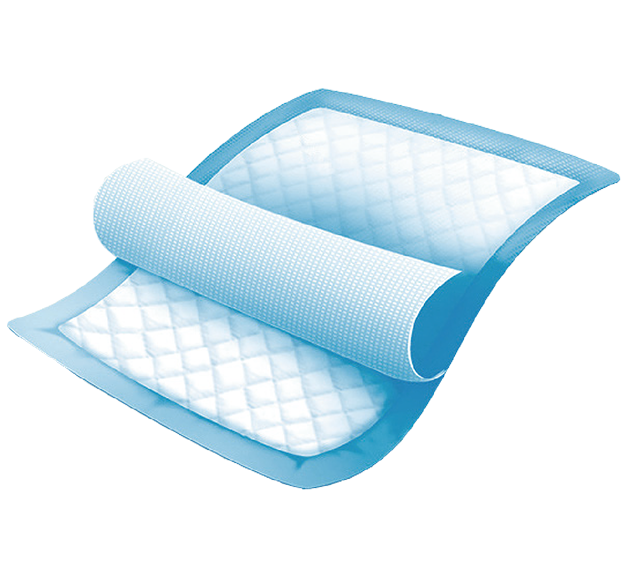
While wearable pads protect the body, underpads—also known as bed pads or furniture pads—protect the environment around the user. In my opinion, they are one of the most underrated tools in incontinence care.
Underpads are placed on beds, chairs, sofas, or wheelchairs to:
• protect mattresses and furniture,
• reduce laundry and cleaning costs,
• provide peace of mind during sleep or rest.
They are especially valuable at night, when movement is limited and leakage risk increases. From a system-design perspective, the best protection strategy combines wearable incontinence pads with underpads. This layered approach significantly reduces stress for both users and caregivers.
Underpads are widely used in home care, hospitals, and elderly care settings, but they are just as useful for individuals managing incontinence at home.


