


Dry wipes and wet wipes are often treated as interchangeable versions of the same product, but they are built around different materials, different use cases, and different trade-offs. Understanding those differences helps buyers match the right wipe to the right setting, rather than defaulting to whichever option happens to be more familiar.
What Sets Dry Wipes and Wet Wipes Apart
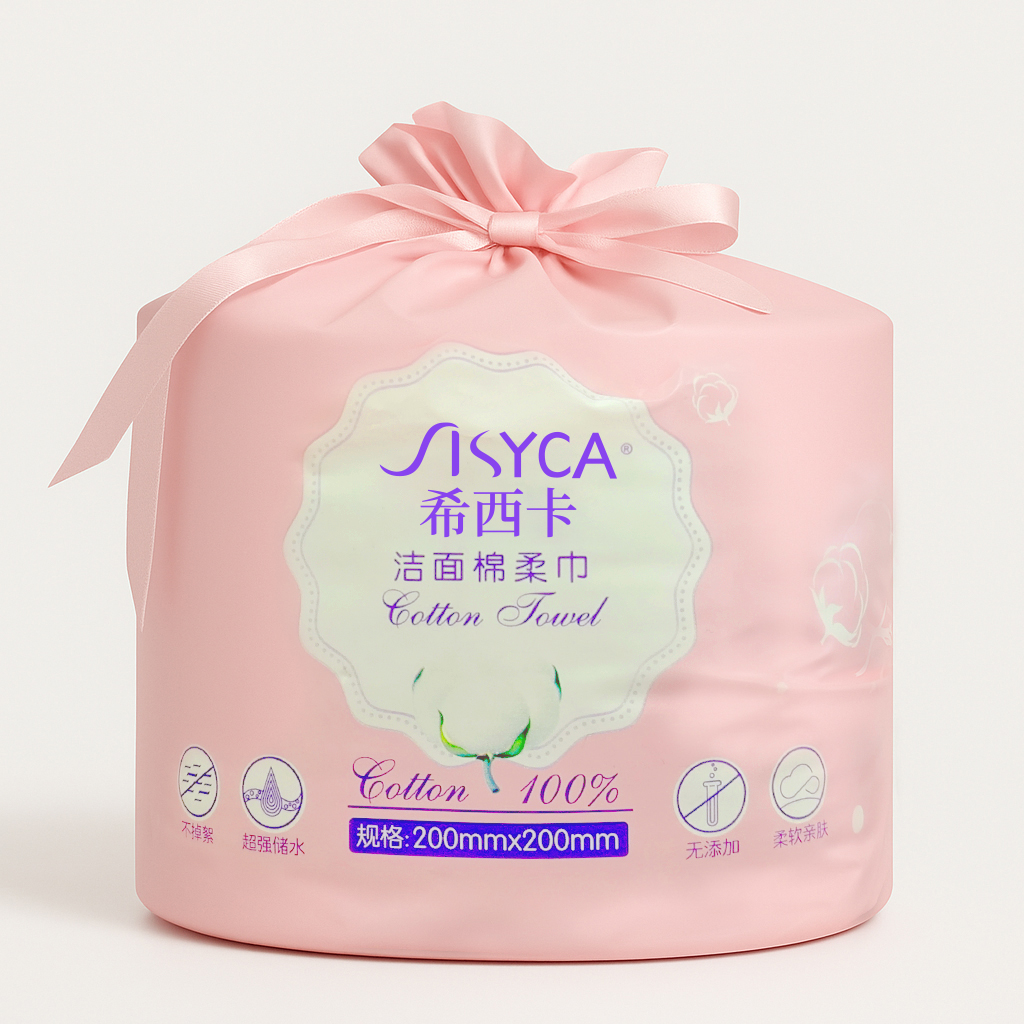
Dry wipes are made from cotton or nonwoven fabric with no added liquid. They are designed to be used with water or a separate cleansing solution, giving the user control over how much moisture and what type of cleaning agent is applied at the time of use.
Wet wipes, on the other hand, are pre-moistened with a cleansing solution during manufacturing and sealed in a way that keeps them ready to use straight out of the pack. That solution may be plain water-based, or it may include additional ingredients such as mild surfactants, pH-balancing agents, alcohol, or fragrance, depending on the product line.
While both products ultimately clean skin or surfaces, the manufacturing approach behind each one shapes how they perform, how they should be stored, and who they are best suited for.
Comparing the Two across Key Factors
Skin compatibility. Dry wipes contain no added chemicals, which makes them a gentler option for sensitive skin, newborns, or post-surgical care where minimizing exposure to additives is a priority. Wet wipes that include alcohol or fragrance can be more likely to irritate with frequent use, though alcohol-free and fragrance-free formulations are widely available as a middle-ground option.
Cleaning performance. Wet wipes are ready to use immediately, which makes them efficient for quick cleaning tasks. Dry wipes require an extra step, pairing with water or a cleansing solution, but this also allows the amount of moisture and the type of solution to be adjusted based on the specific need.
Cost and shelf life. Dry wipes are generally less expensive to produce and have a longer shelf life, since there is no liquid to evaporate or degrade over time. Wet wipes require sealed packaging to prevent the solution from drying out, and once opened, they typically need to be used within a defined window to remain effective.
Environmental and disposal considerations. Many wet wipes contain synthetic fibers that do not break down easily, and improper disposal is a common cause of plumbing and sewage system blockages. Dry wipes, being simpler in material composition, are more likely to be available in biodegradable formats, though disposal guidance should always be confirmed at the product level.
Convenience and portability. Wet wipes are easier to carry and use on the go, since no additional water or solution is needed. Dry wipes require carrying a separate liquid source, which makes them slightly less convenient for travel or emergency use, though more practical for controlled clinical settings.
Choosing between Dry and Wet Wipes for Different Scenarios
In hospitals, post-surgical recovery, and newborn care, where minimizing skin irritation is a priority, dry wipes or alcohol-free wet wipes are typically the safer choice. The reduced chemical exposure lowers the risk of reactions on compromised or sensitive skin.
In everyday care settings, home use, or situations requiring fast turnaround between patients, wet wipes offer a clear efficiency advantage. The ready-to-use format reduces the number of steps involved in routine cleaning, which matters in facilities managing a high patient or resident volume.
Many care settings do not need to commit to one product exclusively. A practical approach is to use wet wipes for daily, routine cleaning where speed matters most, while keeping dry wipes on hand for sensitive skin, newborn care, or situations where a specific cleansing solution is required. This combination allows a facility to balance efficiency with skin safety, rather than relying on a single format to handle every scenario.


