


Underpads are one of the simplest products in incontinence care, yet the choice between disposable and reusable versions is rarely straightforward. Both protect bedding, furniture, and mattresses from moisture, but they are built on very different design logic. The right answer depends less on which product is objectively better and more on the setting, budget, and workflow it needs to fit into.
What Disposable and Reusable Underpads actually are
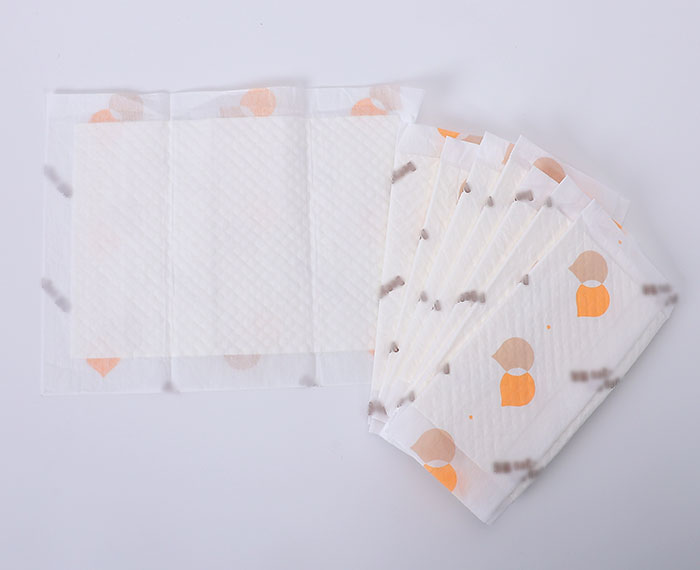
Disposable underpads are single-use products, typically constructed with an absorbent core sandwiched between a soft top layer and a waterproof backing, then discarded after one use. They are designed around speed and convenience: fast fluid absorption, quick placement, and no follow-up handling required.
Reusable underpads, by contrast, are made from washable materials, often cotton or polyester blends with an inner absorbent layer and a waterproof or water-resistant bottom layer. They are engineered for durability, meant to withstand dozens or even hundreds of wash cycles while maintaining a usable level of protection.
Both product types serve the same core function, protecting surfaces such as beds, wheelchairs, and treatment tables from moisture, but the underlying trade-offs are different enough that the two are rarely interchangeable in every situation.
Comparing the Two across Key Factors
Absorbency and performance. Disposable underpads generally offer faster fluid intake and stronger locking performance, since the core is optimized for a single use. Reusable underpads perform well when new, but absorbency gradually declines after repeated washing as the fabric fibers compress and wear.
Cost over time. A single disposable underpad has a low unit cost, but that cost repeats with every use, and the total adds up quickly in high-frequency settings. Reusable underpads require a larger upfront investment, but the cost per use drops significantly over the product's lifespan, making them more economical for long-term, recurring use.
Hygiene and infection control. Disposable underpads are discarded immediately after use, which minimizes the risk of cross-contamination and makes them a common choice in hospitals, surgical recovery, and other high-risk clinical settings. Reusable underpads can be equally hygienic, but only when supported by consistent, properly validated laundering procedures. Without that infrastructure, hygiene standards can slip.
Environmental impact. Disposable underpads generate ongoing medical waste, since every use ends in disposal. Reusable underpads reduce total waste volume, but washing consumes water, detergent, and energy, so the environmental comparison is not as one-sided as it might first appear.
Labor and convenience. Disposable underpads require no handling after use beyond disposal, which saves staff time in busy care settings. Reusable underpads add laundering, drying, and inventory rotation to the workflow, which is a meaningful consideration for facilities with limited staffing.
Which One Fits Your Situation
For hospitals, clinics, and post-surgical care, disposable underpads are usually the more practical choice. High change frequency and strict infection control requirements favor a product that can be used once and discarded without added handling risk.
For long-term home care or facilities with established laundering capacity and staffing, reusable underpads often make more financial sense. When usage is frequent and ongoing, the lower cost per use outweighs the higher upfront cost, and the reduced waste volume can also be a practical advantage for facilities managing disposal logistics.
In practice, many care settings do not have to choose only one. A common and practical approach is to use reusable underpads for routine daily protection, where cost control and lower waste matter most, while keeping disposable underpads on hand for high-risk situations such as post-surgical recovery, infection precautions, or short-term visitor use. This combined approach lets a facility manage cost and hygiene requirements at the same time, rather than forcing a single product type to cover every scenario.


